
Of everything I got to do on this trip to London — the tailors, the shirtmakers, the cigar lounges — I'll admit that coming back to Gaziano & Girling on Savile Row for my first fitting was the thing I was looking forward to most. There is something uniquely exciting about the moment when a pair of bespoke shoes — shoes made specifically and entirely for your feet — are slipped on for the very first time.
Tony Gaziano is one of the most respected lastmakers working today. He spent the weekend after taking my measurements working on the last himself, which he told me he doesn't normally do. That's the kind of craftsman he is. By the time I arrived, the fitting shoes were ready: made in second-grade scrap leather with a cork sole, but with all the internal structure of a finished pair — hand-lasted, with a proper heel counter, toe puff, and long inside stiffener running well forward under the arch.
What a First Fitting Is Actually For
Before I even put the shoes on, Tony explained something I found genuinely fascinating: a first fitting isn't about the aesthetics at all. It's about establishing the fit at around 70% correct, gathering information, and identifying what needs to change. The aesthetic work — the patina, the finishing, the detailing — comes later. At this stage, the only question is: how does the last interact with your foot?
Tony also cleared up one of the most common misconceptions about bespoke shoes: they should not require a painful break-in. "When the client slips them on and stands in them," he told me, "he shouldn't be told they'll ease out with time. He should be comfortable in a standing position right now." That's the standard. Bespoke isn't about forcing your foot into a shape — it's about building the shape around your foot.
What Tony Found — And What It Means
The moment I stood up and started walking, a few things emerged. The right shoe felt immediately good — proper heel grip, comfortable arch. The left was a different story. I could feel the arch support sitting slightly too far back, almost under the front of my heel rather than under the arch proper. Tony confirmed it: "The arch has come too far back into the heel. We'll flatten the curve in that area so it starts where it should — in front of the heel."
He also noted the lacing was a touch too open at the top eyelets. On a finished shoe, the ideal gap at the top is about five millimeters — enough to account for leather stretch over time and foot swelling throughout the day. Too tight now means too closed in six months. He marked it down: he'd need to add volume at the last around the facing area, which in turn means recutting the quarter patterns entirely. One small adjustment cascades through the whole shoe. That's the nature of bespoke.
After cutting inspection holes in the sole to check heel placement and toe depth, Tony identified a few more refinements: a millimeter or two more room across the outside toe knuckles, slightly less volume across the vamps to reduce any risk of creasing, and a small correction to the heel counter angle so my foot sits fully back in the shoe rather than hovering slightly forward.
What Makes a Bespoke Shoe Look Right Over Years
One thing Tony said stayed with me. The absence of wrinkles — that smooth, composed look across the vamp of a well-made shoe — is entirely about correct depth. If you only measure the outline of someone's foot, you have maybe 30% of the information you need. Getting the depth right is what keeps the shoe looking clean through years of wear. "A properly executed bespoke product," he said, "should always look great when you're living in it — not only when you're standing still."
The Next Step
Tony recommended a second fitting before committing to the finished shoe. Rather than cutting it open again, the plan is to send the corrected fitting ahead of time — I walk around in it for a couple of hours, report back, and then we meet and open it up to check. It's a methodical process, and he doesn't rush it. About 40% of first bespoke pairs require small tweaks after the customer starts wearing them. The fitting process exists precisely to eliminate those surprises.
I ordered the St. James II in a Prince of Wales patina. The anticipation of seeing that finished shoe — knowing everything Tony Gaziano put into measuring and refining the last — is something I genuinely can't wait for.
Watch the Full Gaziano & Girling Bespoke Series
- G&G Bespoke Shoe Measurements — by Daniel Wegan
- Bespoke Shoe Measurements | Unintentional ASMR
- First Fitting with Tony Gaziano (this video)
- Final Fitting of my Bespoke Gaziano & Girling Shoes
- My New $6,500 Bespoke Gaziano & Girling Shoes — Are These My Best Pair?
Caring for Bespoke Shoes
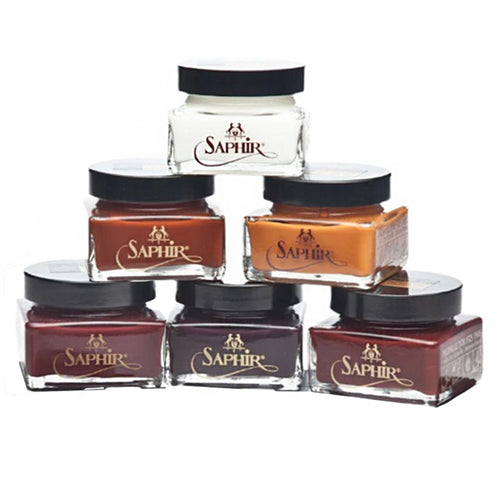
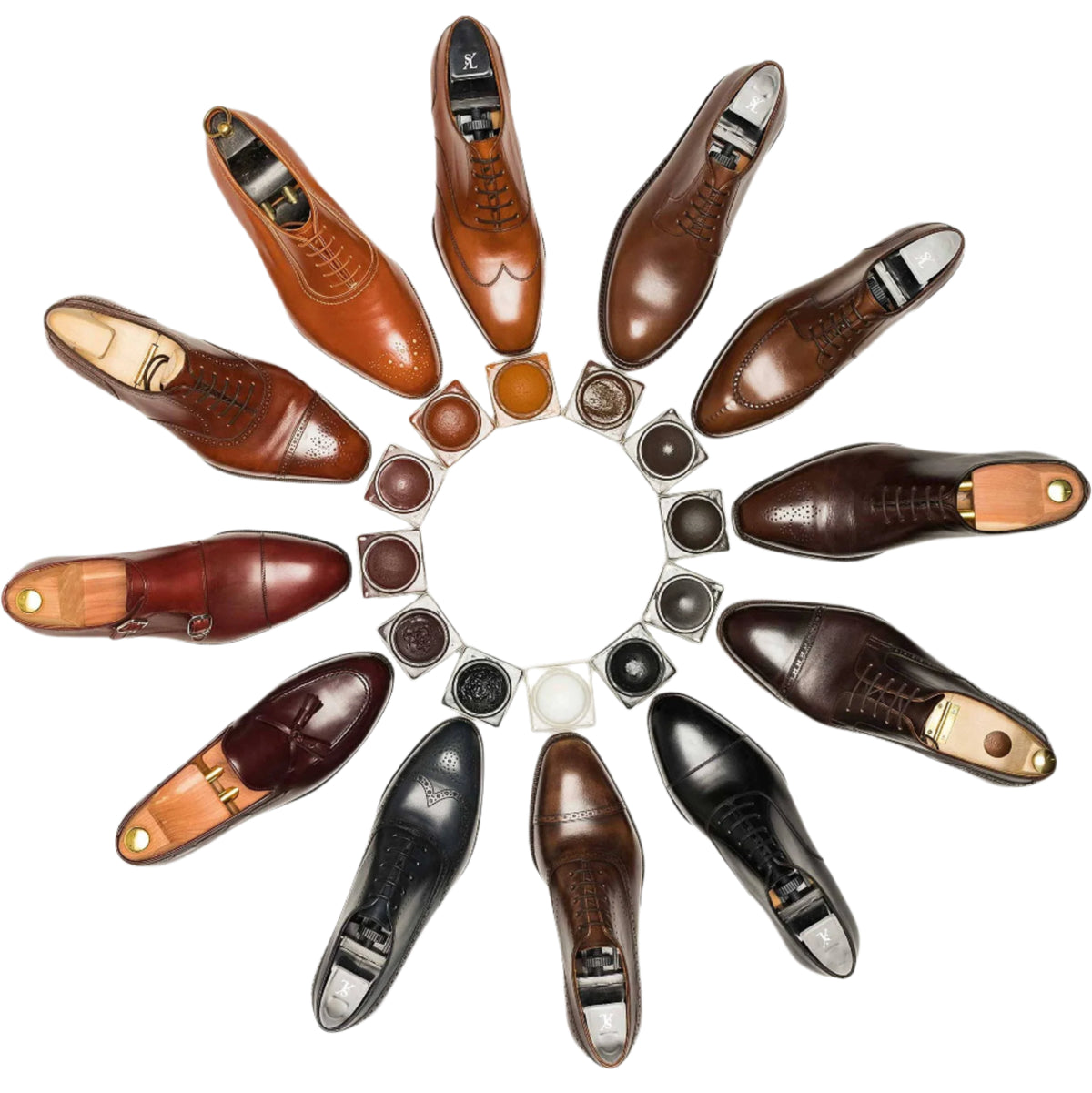
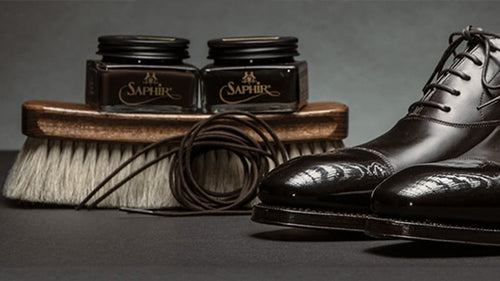
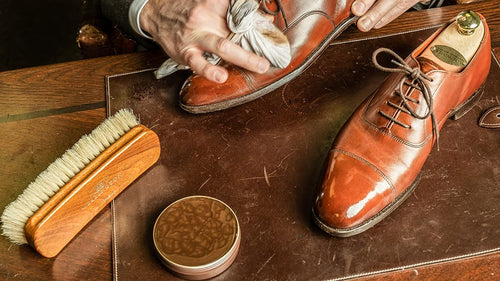
A bespoke shoe is a long-term relationship. Tony's work deserves to be cared for properly — and that means conditioning the leather before every polish, brushing out with a proper finishing brush, and building a shine gradually rather than rushing it. These are the products I use: